
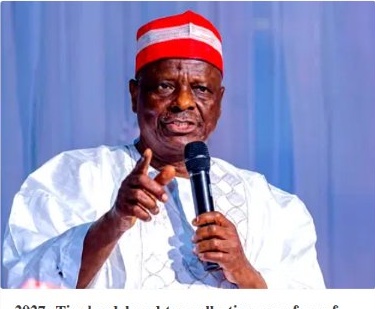
Kwankwaso Flags Fiscal Policy Postponement as Electoral Calculus
National leader of the New Nigeria Peoples Party (NNPP) and pivotal opposition figure, Senator Rabiu Musa Kwankwaso, has issued a stern warning over the federal government's economic maneuvers, claiming that the postponement of certain tax collections is an electoral strategy rather than genuine economic relief.
Speaking during the formal inauguration of the party's campaign and consultation council in Dutse, the Jigawa State capital, Kwankwaso argued that the administration of President Bola Ahmed Tinubu is well aware of the public discontent generated by fuel subsidy removal and tax overhaul proposals.
"Deliberate Timing for 2027 Ballot"
"Let no one be misled by temporary suspension or phased implementation," Kwankwaso told the gathering of party faithful and northern political stakeholders. "The reality is that these severe tax collections were intentionally deferred until after the 2027 presidential polls. Once elections are concluded, citizens will be confronted with the full brunt of fiscal extraction."
Kwankwaso urged state governors, especially across the northern belt, to invest decisively in agricultural mechanization, human capital, and education rather than relying exclusively on monthly Federation Account Allocation Committee (FAAC) disbursements.
National Assembly Debates and Reactions
The controversial tax reform bills—including the Nigeria Tax Bill, the Tax Administration Bill, and the Nigeria Revenue Service Establishment Bill—have triggered intense parliamentary debate since their transmission to the National Assembly. Northern governors and traditional rulers had earlier recommended a withdrawal of the bills for wider consultation.
Presidency spokespersons have dismissed Kwankwaso's allegations as political posturing, maintaining that the tax reforms are designed to harmonize multiple taxation, stimulate local manufacturing, and protect vulnerable low-income households.